
Tracian Tomb Complex “Grifoni, Helvetia & Shushmanets”
Project Description
Heritage conservation
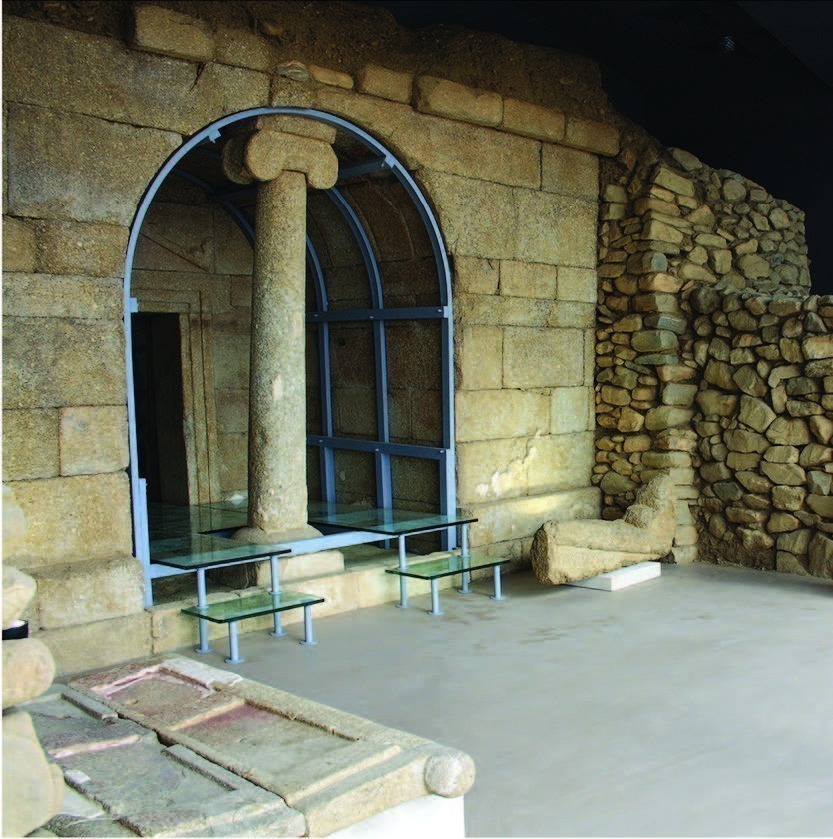
The Helvetia Tomb is part of the Thracian Tomb Complex near Shipka and is one of three tombs in the area. This complex is located in the Valley of the Thracian Kings, a region rich in architectural heritage. The tomb was discovered in 1996 by archaeologist Georgi Kitov.
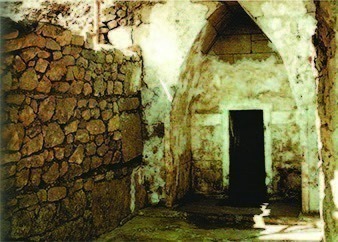
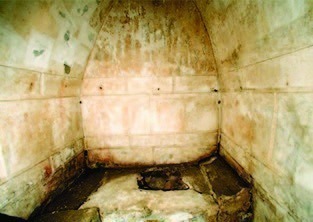
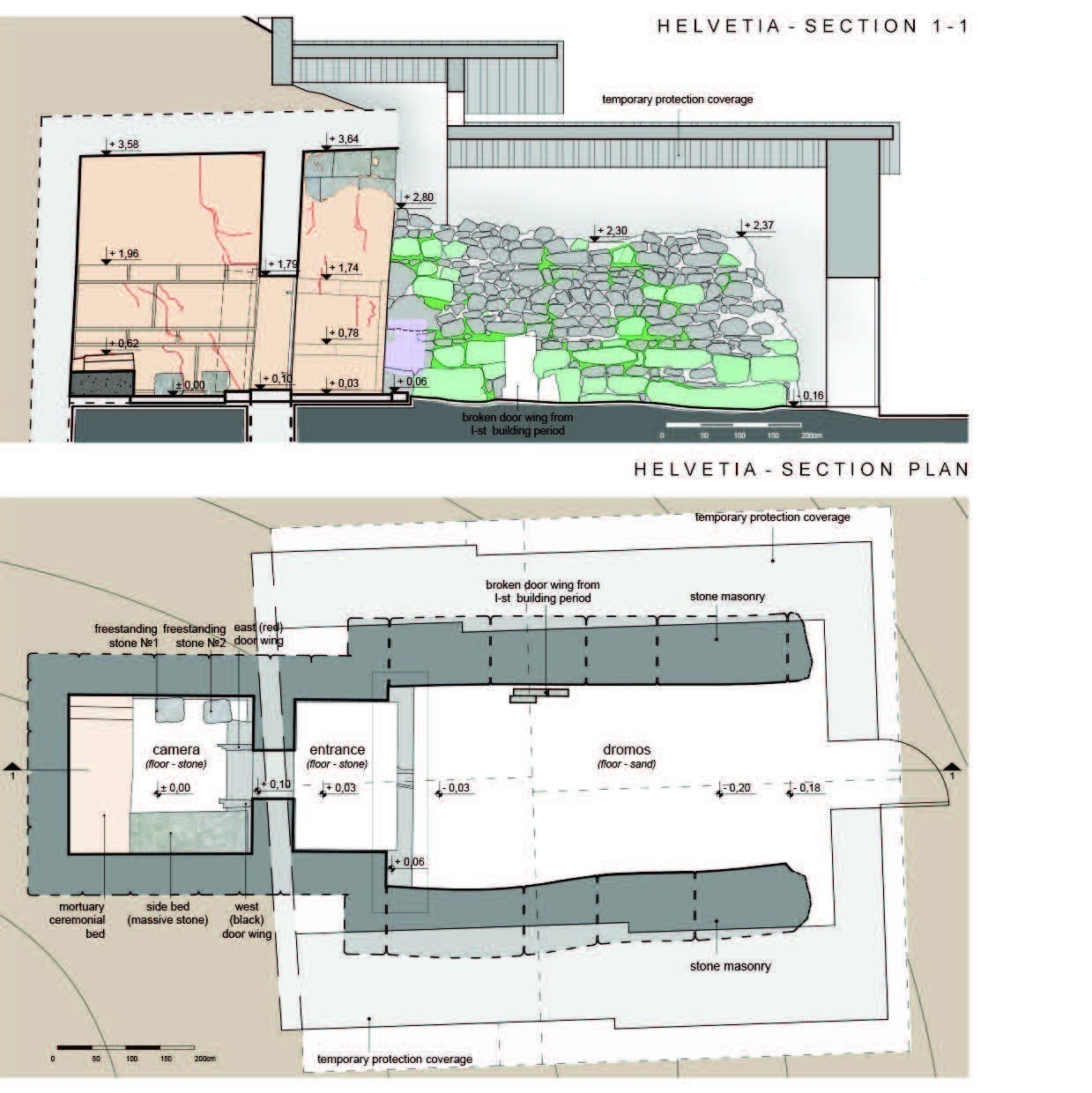
The tomb features a unique arched structure and well-preserved stone doors. However, its most significant element is the stone benches, which serve as evidence that the tomb was later used as a sacred site for various ceremonies.
Restoration
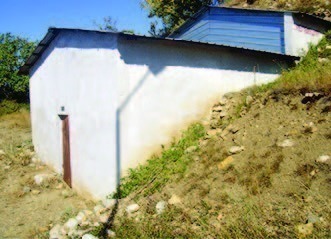
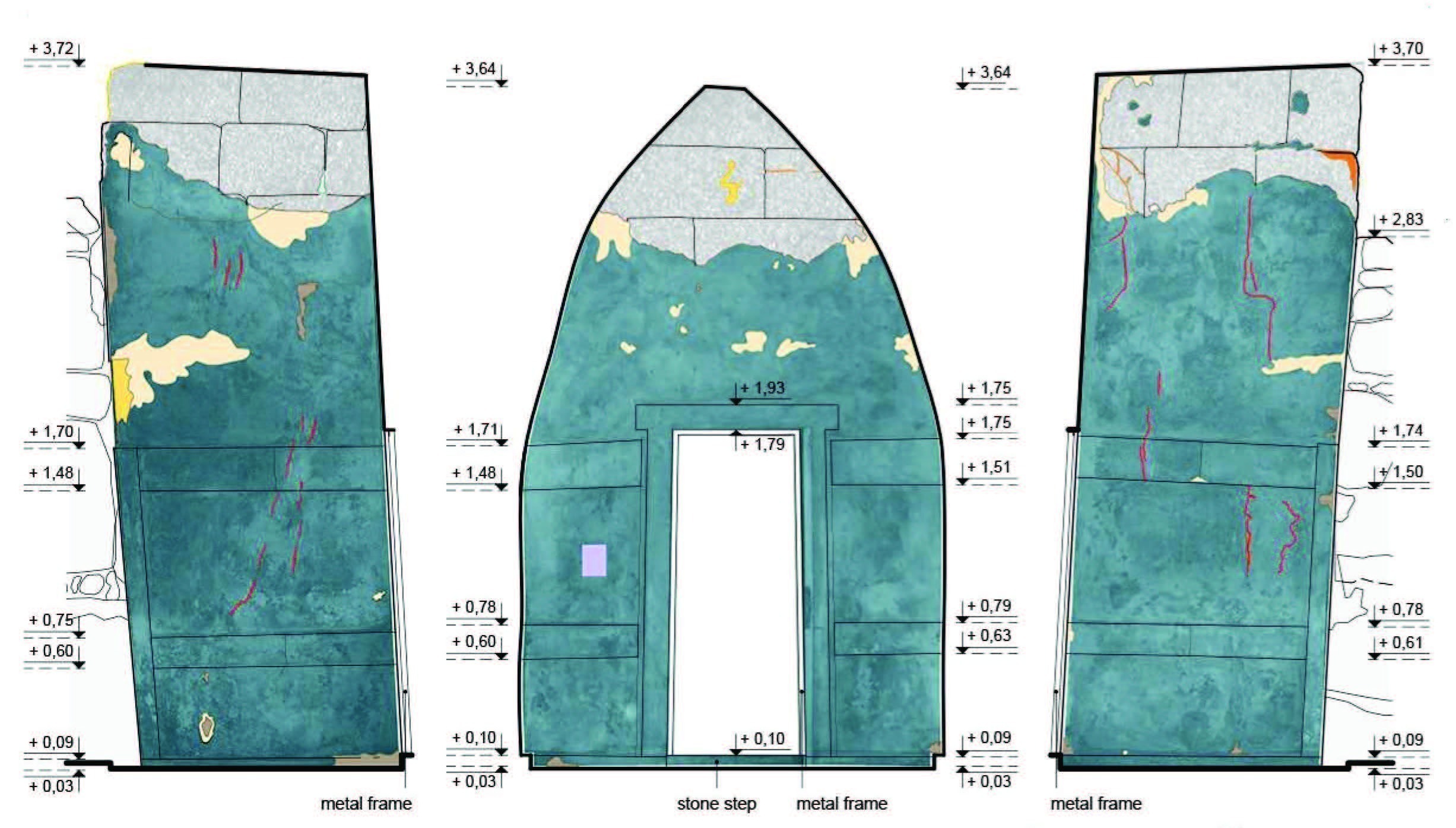
The primary issue affecting the tomb is moisture damage. The plaster walls are covered with salt deposits and stains, causing flaking and material loss, particularly in the chamber hall. Another major concern is that the current protective structure exerts pressure on the keystone, causing the entire ancient structure to shift.
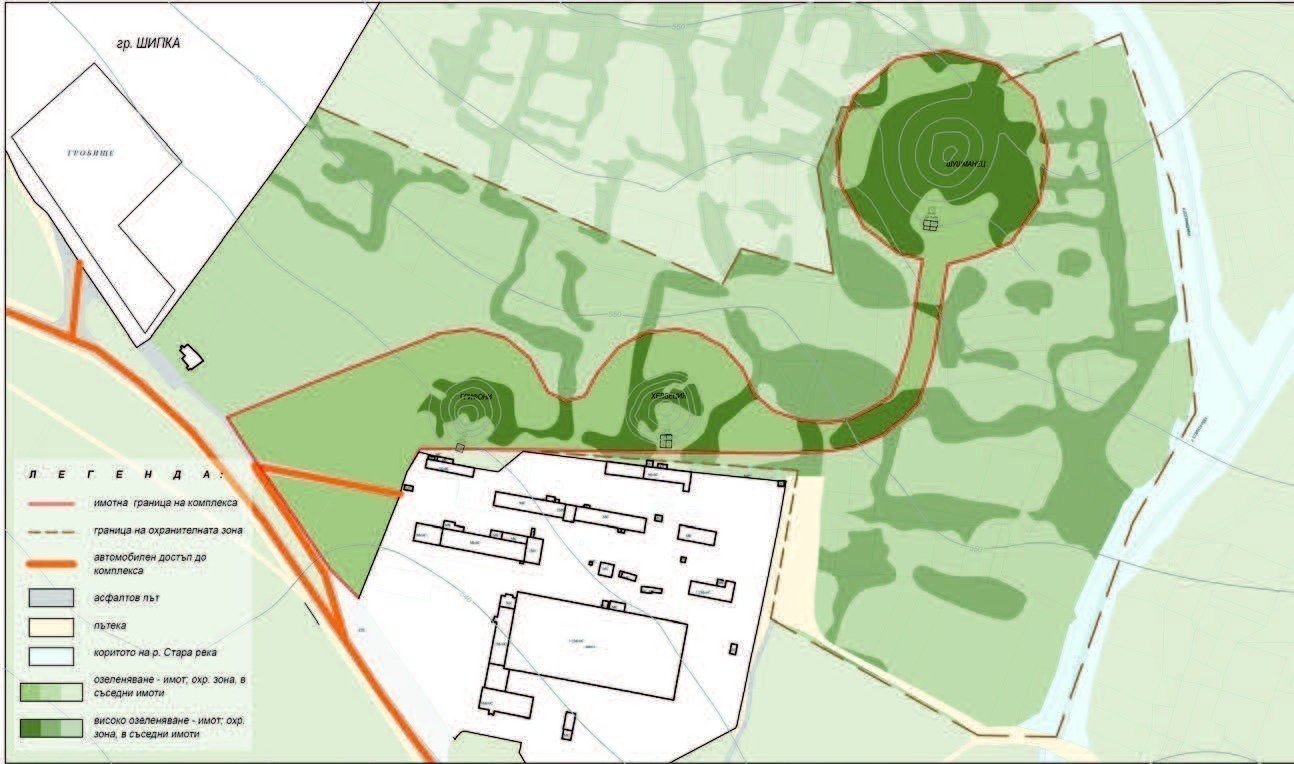
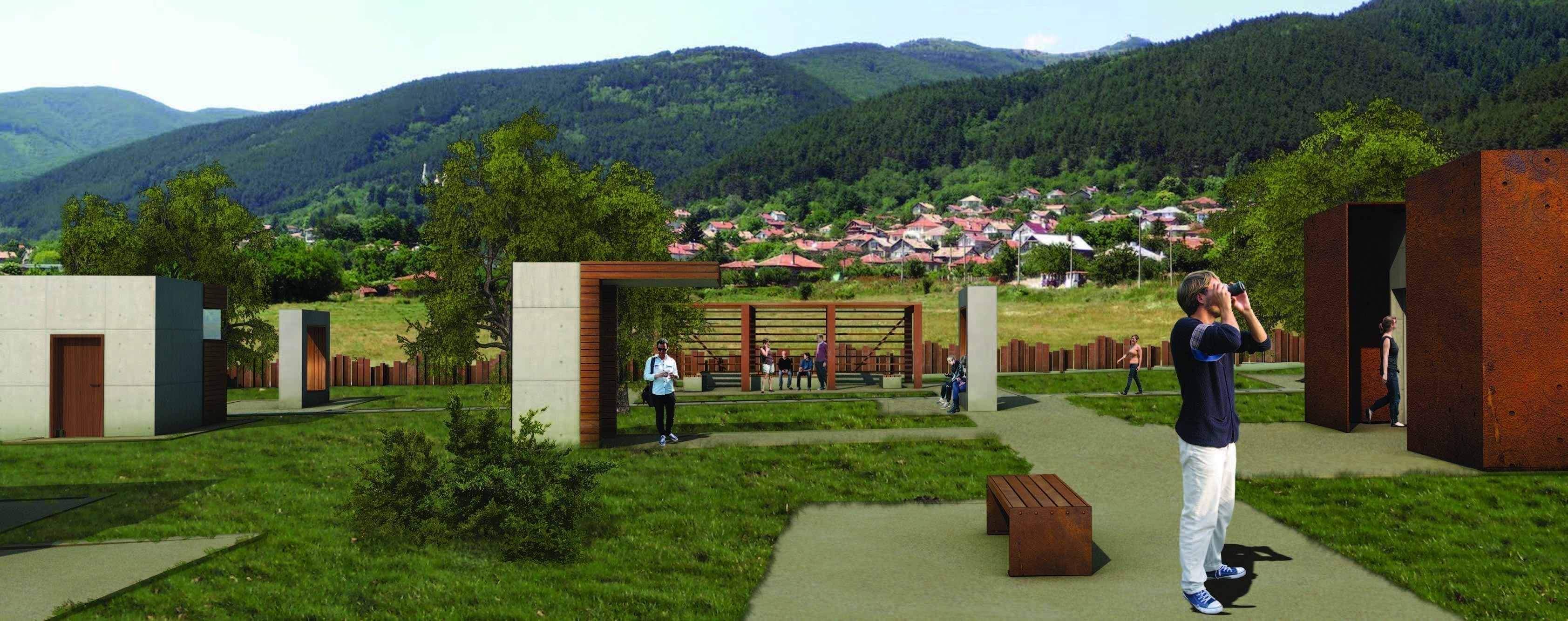
The restoration project includes conservation, adaptation, and public accessibility improvements for the Helvetia Tomb. The site’s boundaries will be expanded to provide access to both Griffins (Grifoni) Tomb and Helvetia Tomb. The complex will be accessible via public transport, bicycle, footpaths (from Shipka), private vehicles, and tourist buses. A parking area is planned with spaces for 13 cars and 2 buses.
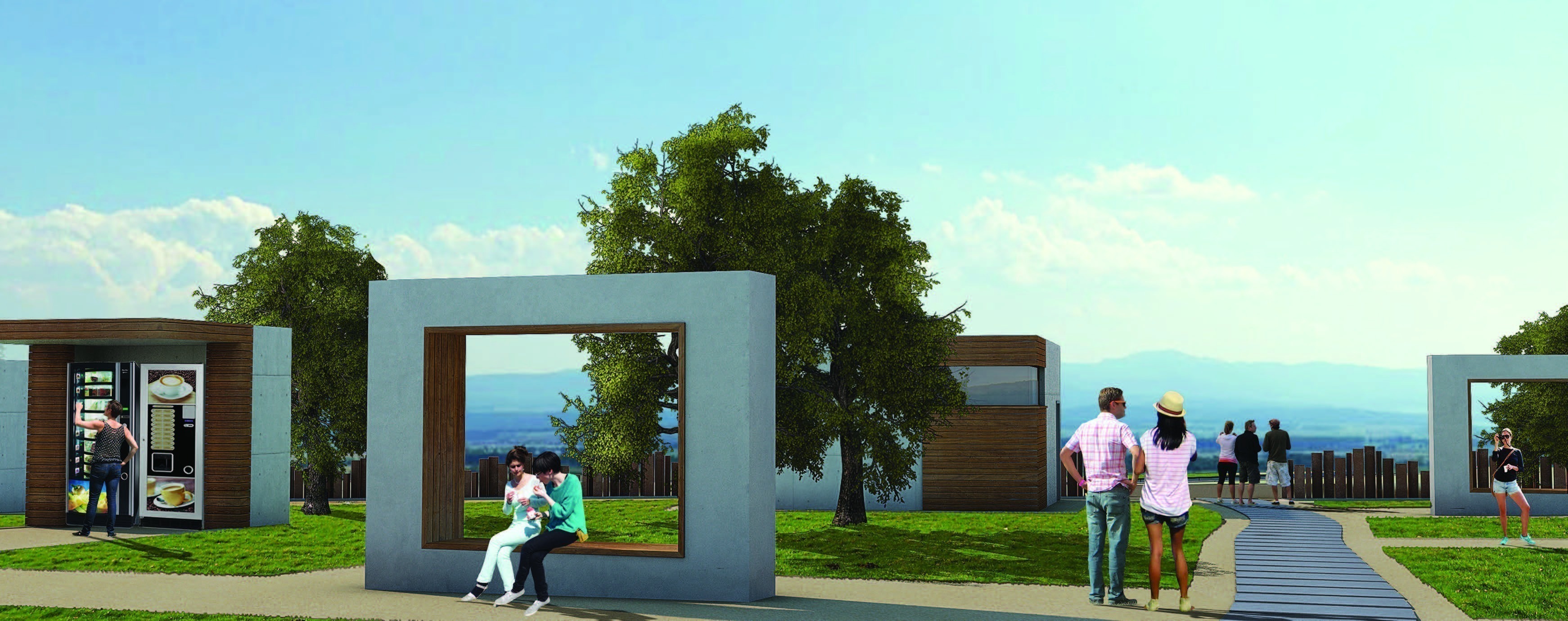
To protect the fragile interior, tours will be limited to groups of no more than 10 visitors. A designated service area will include:
- A ticket desk and guide station
- Food and beverage facilities
- Restrooms
- Exhibition and souvenir areas
- Security and observation points
- Waiting areas
The tombs will undergo careful excavation and drying before a new protective covering is installed. Once the tombs are fully safeguarded from meteorological damage, the soil will be restored to its original position. A buffer gap between the monument and the concrete protective slab will prevent contact between ancient stone and modern construction materials.
The protective structures for both Helvetia and Griffins Tombs will be identical, designed primarily to prevent water infiltration, which is the main cause of deterioration. A controlled microclimate will be maintained inside the tombs through an air-conditioning system installed in the rear section of the protective covering. Visitors will be required to wear protective overshoes to preserve the original flooring.
Architectural Inspiration
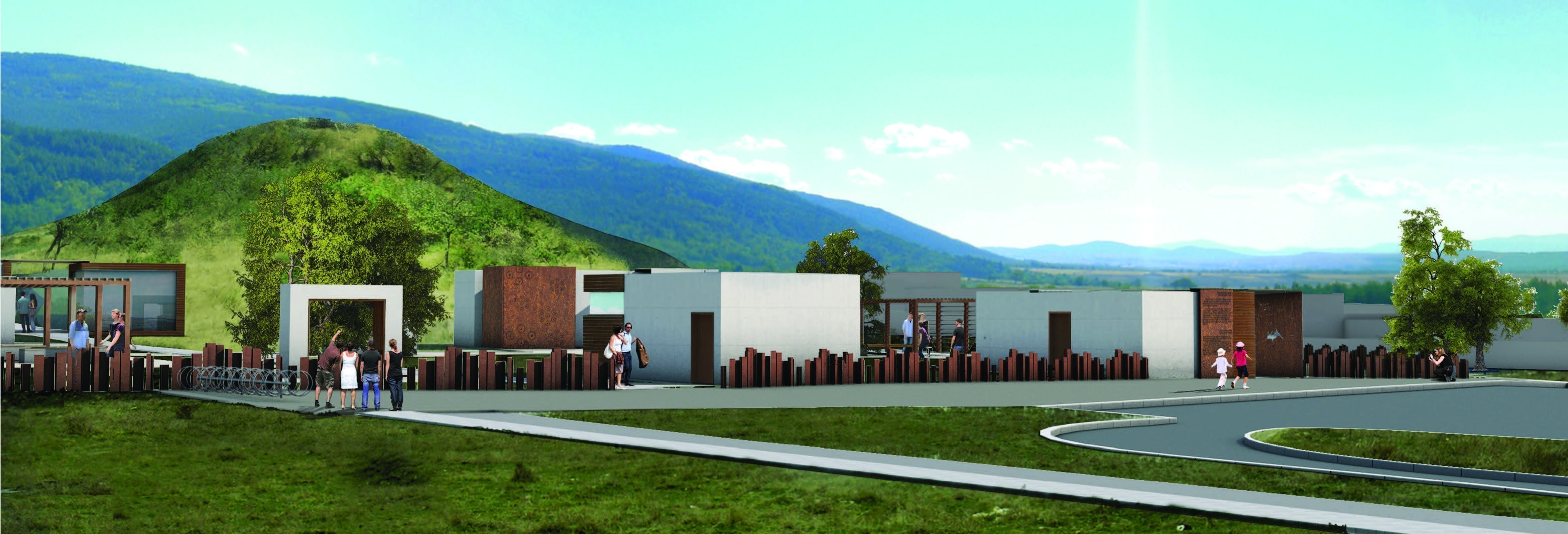
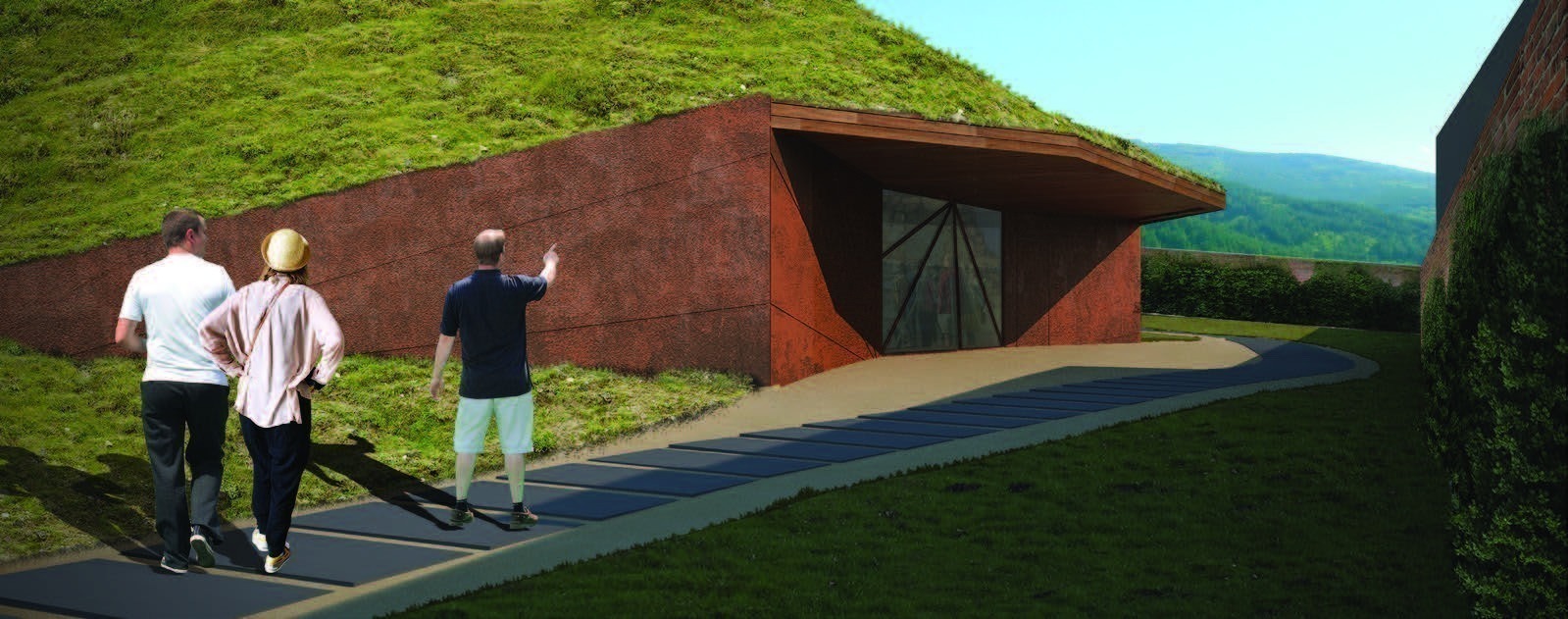
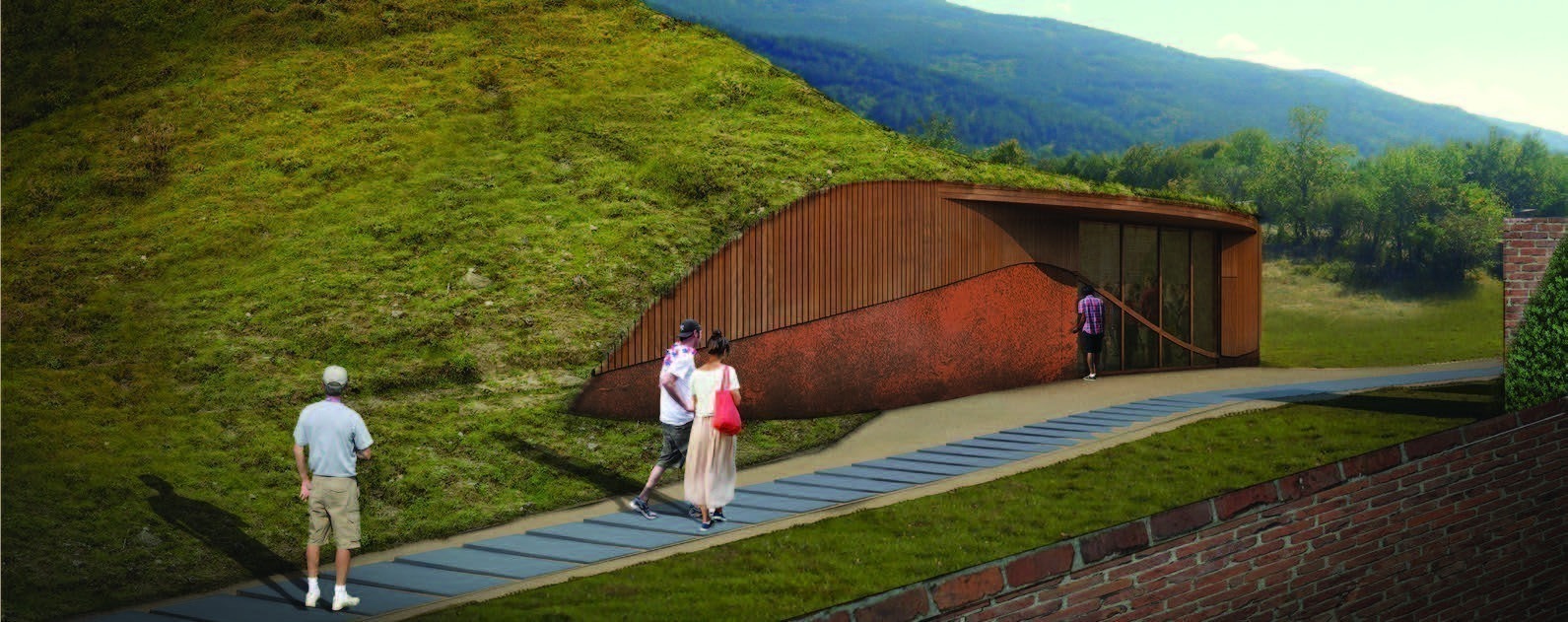
The Griffins Tomb facade is characterized by clean, minimalist lines, inspired by sunlight, a symbol of the Thracian god Sabazios, the son of the Great Mother Goddess.
The Helvetia Tomb facade draws inspiration from a Thracian dagger. Its exterior will be constructed using natural wood and Cor-Ten steel, blending traditional elements with modern materials.